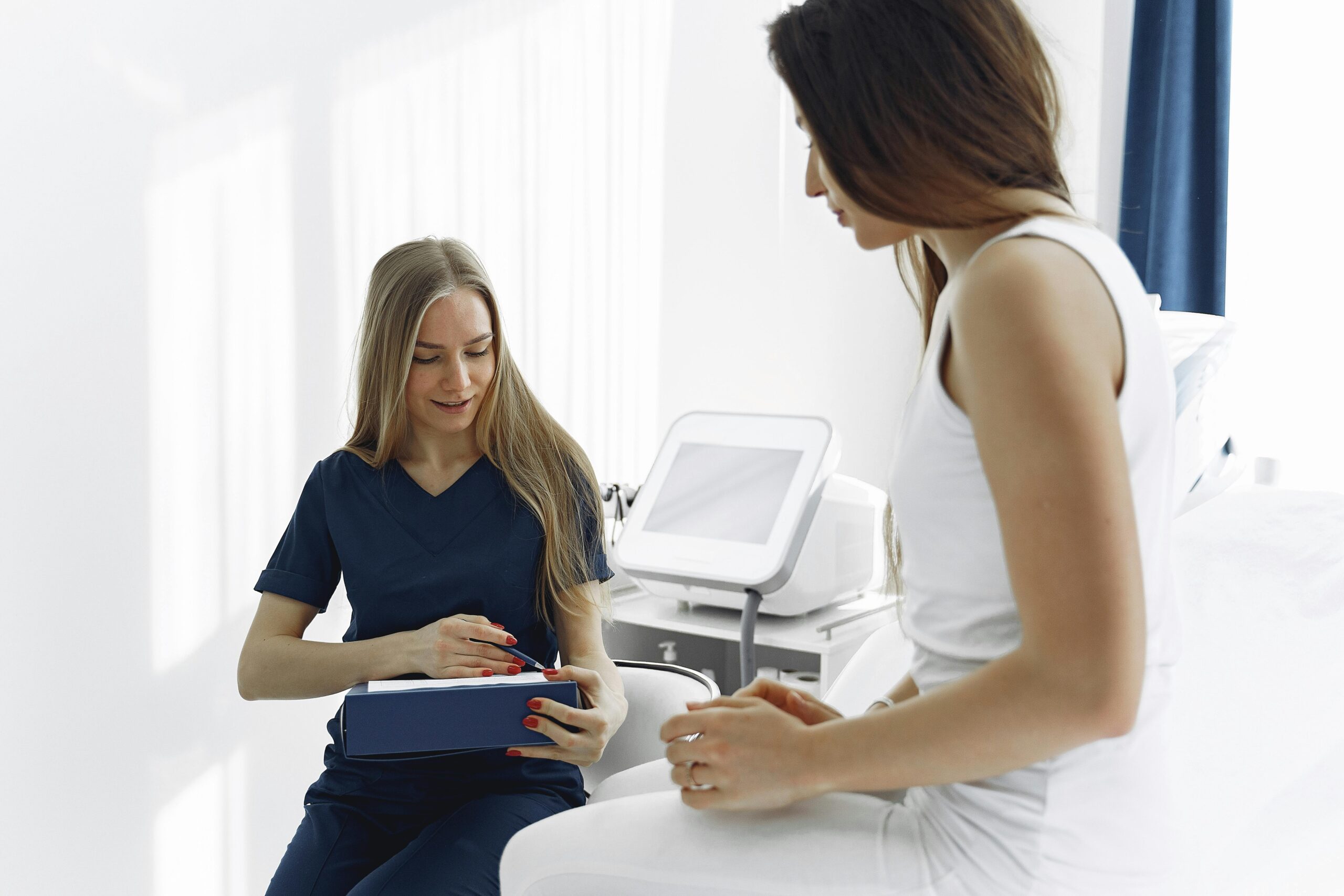
English in Healthcare: Important Terms for Doctors and Nurses
-
August 31, 2025
For professionals working in the health sector today English is no longer a choice but a necessity. Especially around the world English terms for doctors and nurses it is very important to know.
In this article, English in the health sector will talk about the importance of the use of the most common medical English termsi and expressions. We will also include sample sentences that you can use in daily practice when communicating with patients.
The Importance of Using English in the Health Sector
The medical world is today more than ever global has a structure. A doctor may examine local patients in his or her clinic in the morning, present at an international congress online in the afternoon, or treat a patient from abroad. Similarly, a nurse may have direct contact with a patient of a different nationality or may have to understand and follow the instructions of a foreign doctor. This is where Medical English and become the health professionals' biggest helpers.
The advantages of knowing English in the health sector are countless:
- Improves patient safety. Good communication means good treatment. Knowledge of English is critical for a doctor to fully understand a patient's complaint or for a nurse to follow medication instructions accurately.
- Prevents misunderstandings. Medical terms often have vital consequences. A misunderstood word or phrase can cause irreversible mistakes in the treatment process. A solid English background minimizes these risks.
- Contributes to professional development. The vast majority of current medical research, scientific articles and academic publications are written in English. Therefore, knowing English allows healthcare professionals to follow the latest information and keep their knowledge up to date.
- It opens the door to international business opportunities. English is a must for doctors and nurses who want to work abroad, receive specialty training in different countries or work in global health organizations.
It should not be forgotten that, For health professionals, English is more than a foreign language, it is one of the most important steps in climbing the career ladder. A health professional who speaks English has a much stronger position both in their own country and in the international arena. This directly affects both individual success and public health.

English Terms for Doctors
When examining patients, preparing reports or in discussions with international colleagues, doctors often medical terms in English to use. These terms not only facilitate communication, but also form the basis for providing accurate and reliable healthcare to the patient. Here are some of the most commonly used English medical terms and their meanings in daily practice:
- Diagnosis: It is the term used to describe what a disease is. For example, the phrase “The diagnosis is pneumonia” means “The diagnosis is pneumonia”.
- Treatment: It refers to treatments to eliminate or reduce the effects of a disease. “The patient is under treatment” is a frequently heard example.
- Prescription: Written instructions given by the doctor to the patient regarding the use of medication.
- Surgery: It means surgical intervention. Doctors may often need to inform patients with sentences like “The surgery will take place tomorrow”.
- Medical history: It covers the patient's past operations in the medical field or significant diseases, surgeries, continuous medications, if any, and general health history. This term is very important for patient safety.
- Symptoms: They are signs that the disease is manifesting itself. For example, “The patient shows flu-like symptoms” means “The patient has flu-like symptoms”.
- Blood test (blood test): It is one of the most common tests used to make a diagnosis or monitor the course of the disease.
- Check-up (control examination): Refers to regular health checks. Especially in the tourism sector, “annual check-ups” are frequently offered to foreign patients.
These terms are both strengthening doctor-patient communication, and also creating a common language in international health settings are the basic building blocks. When a doctor or nurse uses these phrases correctly and fluently, it enhances their professional credibility.
Example sentence:
- The diagnosis shows that the patient needs immediate treatment.
(The diagnosis indicates that the patient needs urgent treatment.)
English Terms for Nurses
Nurses are the health professionals who communicate most with patients. Here are some important terms:
- Injection (Injection)
- Blood pressure (Blood pressure)
- Temperature (Fire)
- Ward (Service)
- Emergency room (Emergency room)
- Discharge (Discharge)
- Nurse station (Nurse's station)
Example sentence:
- Please stay calm, I will check your blood pressure now.
(Please calm down, I will take your blood pressure now).
English Phrases Used in the Hospital
For a health worker, only medical terms is not enough. Everyday communication with patients is as important as technical vocabulary. Especially when dealing with patients from different countries, it is important to use simple but English expressions It both creates a sense of trust and facilitates the treatment process. Here are the most commonly used practical phrases in hospitals and their meanings:
- How are you feeling today?
- Do you have any allergies?
- Where is the pain located?
- I will prescribe you some medication.
- We need to run some tests.
In addition to these, here are some other statements that may be useful for health workers:
- Please follow me.
- Take a deep breath.
- You need to rest.
- Do you feel any dizziness?
- The results will be ready soon.
Such sentences make the communication with the patient sincere and understandable. It should not be forgotten that English used in a hospital setting, is not only a linguistic skill, but also a vital element for patient safety and satisfaction.
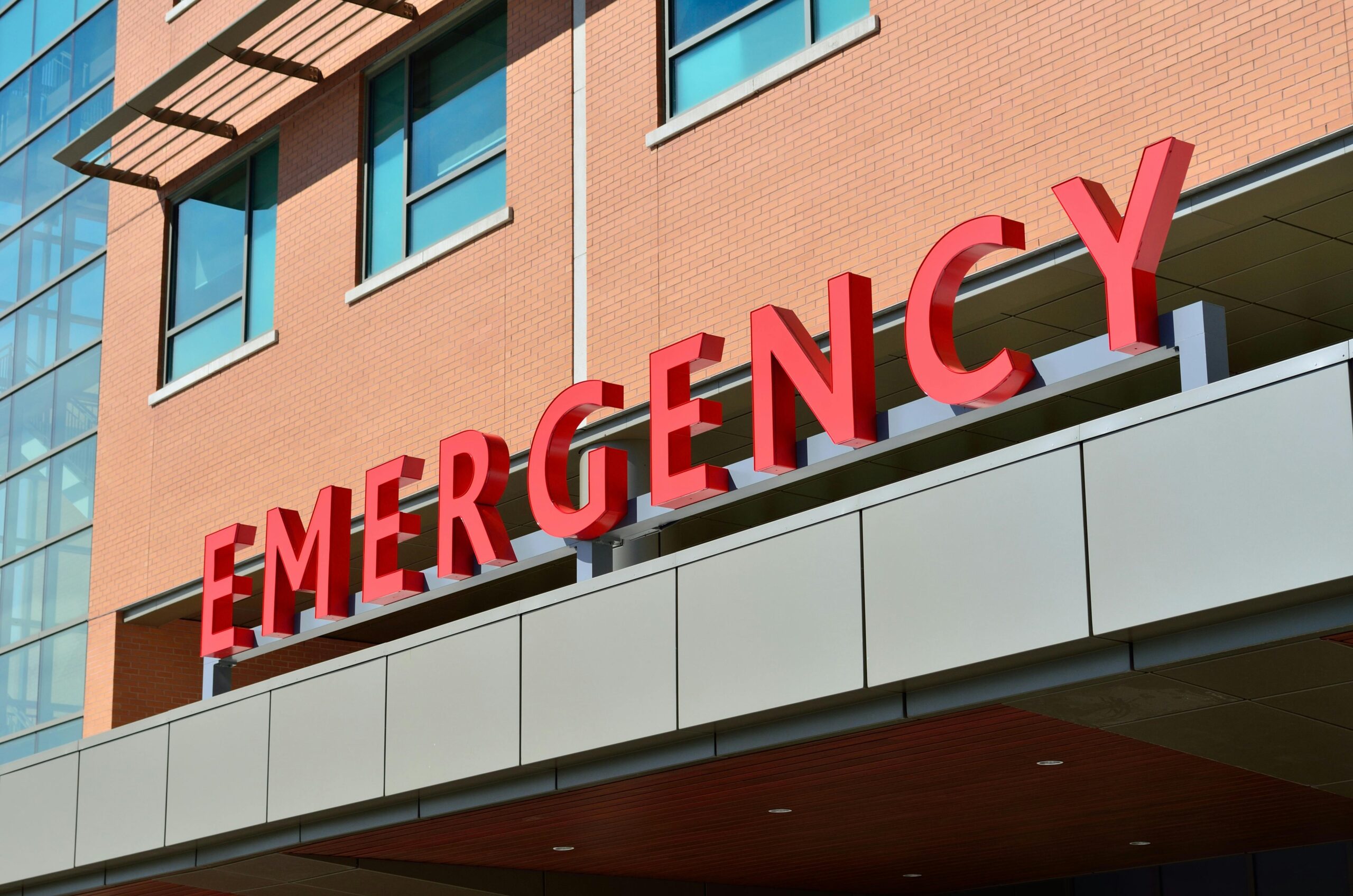
English Terms in the Emergency Department
The emergency department is where fast and accurate communication is most critical. Here is how English terms in the emergency room:
- Emergency (Emergency)
- Ambulance (Ambulance)
- First aid (First aid)
- Cardiac arrest (cardiac arrest)
- Fracture (Broken)
- Conscious / Unconscious (Conscious / Unconscious)
Academic and Professional Health English
Preparing presentations and writing articles in academic English is a critical requirement not only in patient care but also for health professionals who want to advance in the academic field. Here are some of the phrases that can be used when presenting at international conferences:
- Today, I will present the results of our recent study on...
- The purpose of this research is to analyze...
- In conclusion, our findings suggest that...
Thanks to such patterns, you can share your scientific research internationally.

The Commonality of English Terms in the Health Sector: A Global Reality in Numbers
Many terms used in the medical world are actually universal is a language. This is because modern medicine is largely Words of Latin and Greek origin is built upon. So words like “diabetes”, “cardiology” or “anemia” are understood in the same way wherever you go in the world.
Research also reveals this partnership:
- According to the World Health Organization (WHO), uluslararası tıbbi literatürün %70’inden fazlası İngilizce as the first of its kind.
- Medical terminology has about %80’i Latince ve Yunanca kökenli and can therefore be used globally without change.
- Articles published in databases such as Elsevier and PubMed %90’ı İngilizce, English is almost the only common language for health professionals to access scientific information.
- In a survey conducted in Turkey, doctors %65’i uluslararası meslektaşlarıyla iletişimde İngilizce terimleri that he used it directly.
These figures show that, medical terms in English It is an essential part not only of language learning, but also of working to international standards. For example, “surgery”, “diagnosis” or “prescription” Words such as "I" have the same meaning everywhere in the world.
How to Learn English for Healthcare Professionals
Of course, the most effective way to learn all these terms and phrases is through regular Practicing speaking English is to do it. For this
- One online English courseto participate.
- Specialized for health medical English you can use the resources.
- Target English Academy’s career-oriented medical English training program.
Remember: Good communication in healthcare often saves lives.
English in the health sector, is an indispensable skill for doctors and nurses. In order to communicate correctly with patients and to develop professionally in the international arena medical English termsKnowing how to do this is a great advantage.
You now have basic English phrases that you can use both in daily practice and in academic life. Repeating these terms regularly, practicing and applying them in real life will make you a more confident and professional health worker.
Tags:
You May Also Like

-
July 4, 2026
In today's business world, it's more international than ever. The increase in global companies, the spread of remote work models, and different...

-
May 13, 2026
Today, logistics and supply chain management have become one of the most important parts of global trade. International transportation processes, warehouse management, import-export...

-
April 14, 2026
Today, as the business world is becoming increasingly globalized, working in international companies is among the career goals of many professionals. Different...

-
April 6, 2026
In the global business world, effective communication has become one of the most important factors for career development. Especially for professionals working with international teams...
Join our mailing list to receive information and opportunities about our courses.
Contact
Call us
+90 533 710 07 83
Address
Cankaya Mah. Zeytinli Bahçe Cad. Serin Apt. No:9 Interior door No:4 Akdeniz/MERSİN
info@targetenglishacademy.com.tr
 English
  Turkish