
Negotiation English: Patterns to use when negotiating
-
September 21, 2025
One of the most important steps to success in the international business world is to be able to communicate effectively. Especially when it comes to bargaining and negotiation processes, knowing the right English phrases gives both a reliable impression and an advantage in negotiations. At this very point Target English Academy, not only teaches general English to its students, but also Negotiation English and Business English gives a professional perspective in the field.
In this blog post, we will discuss the most effective English phrases to use when negotiating, different negotiation strategies and why English plays a critical role in international trade and tourism. Whether your goal is to appear more powerful in business negotiations or to communicate successfully in global business relationships, learning the right phrases will give you a huge advantage.

The Importance of Negotiation English
In the globalized business world, not only technical knowledge but also effective communication is crucial for a successful career. Especially in international trade, tourism or corporate meetings, negotiations and negotiation processes are often conducted in English. Negotiation English, It is not only about knowing vocabulary, but also about being able to persuade the other side by using a professional style.
Whether you are a hotel manager, a professional working in logistics or an entrepreneur just starting out in business... Knowing English negotiation phrases will not only increase your confidence but will also make you more successful in negotiations.
English phrases to use when starting a negotiation
Opening a negotiation is one of the most critical stages of the process. The opening statements both reassure the other party and set the stage for the meeting to proceed in a professional manner. Your first sentences should therefore be both sincere and directive. For example, “Let's start by discussing the main points of the deal.” A statement like (Let's start by discussing the main points of the agreement.) helps to start the process clear and focused. Similarly, “I would like to begin with the pricing details.” (I would like to start with price details.) is a clear way to emphasize your priorities in the negotiation. For a more neutral introduction “Shall we go over the terms first?” (Shall we go through the terms first?). Such phrases not only make your communication more professional, but also ensure that the negotiation proceeds in a constructive atmosphere.
Patterns Used When Making Offers and Counter Offers
In negotiations, making offers and counter-offers is one of the most important stages of the process. Clear, comprehensible and diplomatic language at this point not only ensures good communication with the other party, but also helps the negotiation to proceed in a more constructive way. Using direct but polite language when presenting your proposals is the most effective way to gain trust and move closer to an agreement.
For example, “We can offer you a discount if you order in bulk.” A statement such as (We can give you a discount if you order in bulk.) shows that you are both offering an advantageous offer and taking into account the needs of the other party. When the conditions offered by the other party are not suitable for you, “I'm afraid that price is a bit too high for us. Could you reconsider?” (Unfortunately, this price is a bit high for us. Can you reconsider?" is a polite approach that shows you are open to looking for alternatives rather than rejecting.
Showing flexibility is also a great advantage in negotiations. “What if we adjust the delivery schedule instead?”A suggestion like (What if we adjust the delivery schedule instead?) proves that you are solution-oriented and willing to compromise on different aspects of the process, not just the price. Such statements take the negotiation out of a conflict and turn it into a win-win collaboration.
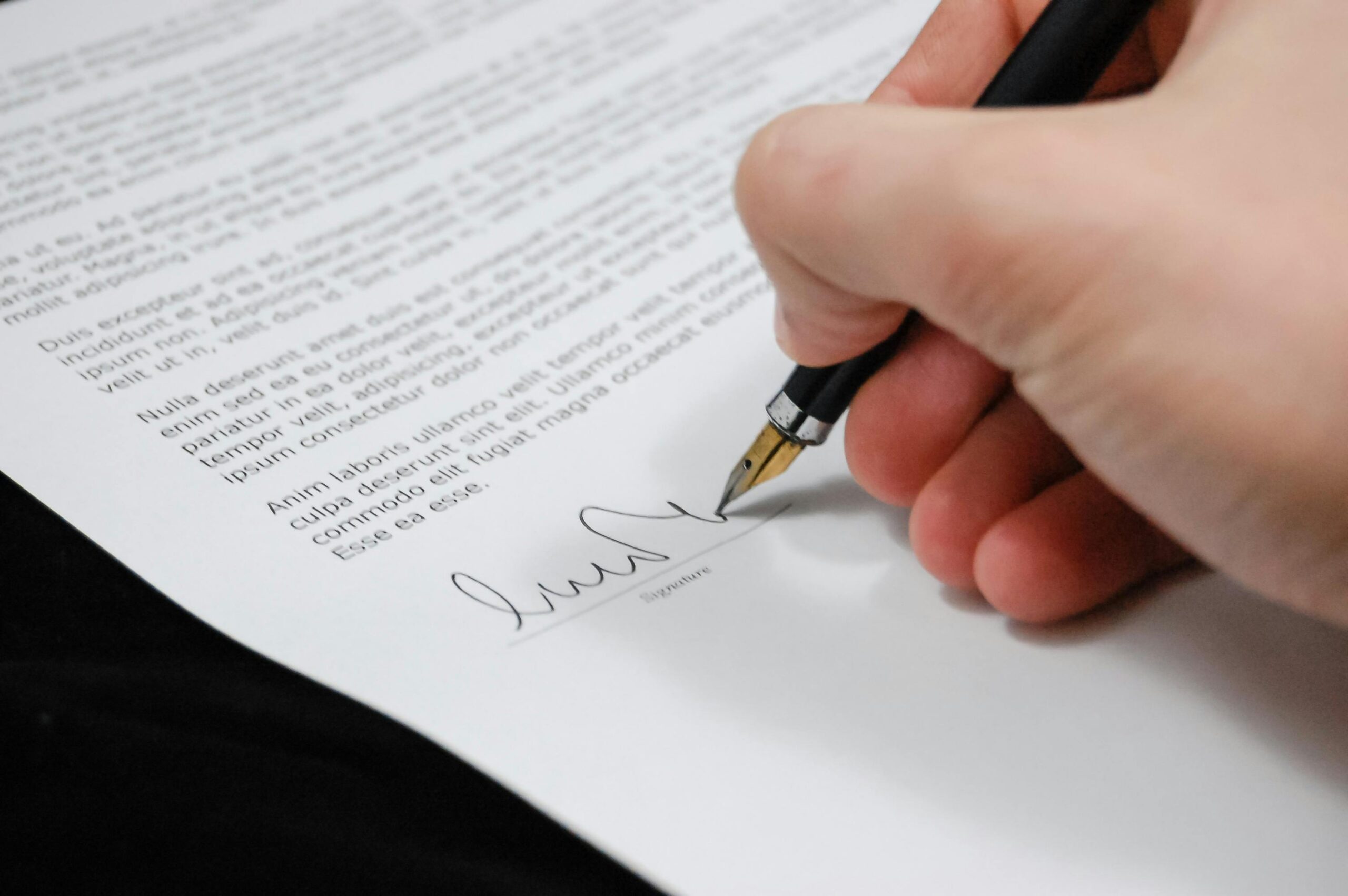
English Phrases for Reaching Consensus
The main goal of a negotiation is to find common ground, taking into account the interests of both sides. It is crucial that the language used in this process is both polite and decisive. Negotiation is not just about discussing price or terms; it is also about building mutual trust and strengthening long-term cooperation.
For example, “That sounds reasonable. Let's go ahead.” (It sounds logical, let's move on.) shows that the process is progressing positively and reinforces trust between the parties. Such statements emphasize that you are open to moving forward without getting bogged down in unnecessary details.
Similarly, “I believe we can reach an agreement here.” Phrases such as (I believe we can reach an agreement here.) indicate that the negotiation is proceeding in a constructive manner. The other party senses that you are prioritizing the spirit of cooperation and is more positive.
Last but not least, “We are happy with these terms.” (We are satisfied with these terms.) is a powerful closing statement that clarifies the process where agreement has been reached. Such clear and positive statements help to formalize that the parties have reached an agreement and mark the successful completion of the negotiation.
How to Express Disagreements Professionally
In any negotiation process, it is natural for the parties to have different perspectives and expectations. Such disagreements can lead to a stalemate in the process, but with the right communication, they can also create a stronger basis for cooperation. The important thing is to be able to object in a respectful and professional manner without offending the other party.
For example, “I see your point, but we may need to adjust the payment terms.” (I understand, but we may need to change the terms of payment.) allows you to gently present your position without rejecting the other party's proposal outright. This approach shows empathy and leaves the door open for a solution.
When a clearer position is needed “I'm afraid we cannot accept that condition.” (Unfortunately, we cannot accept that condition). The important thing here is to be polite while clearly expressing your determination. This will prevent the process from becoming tense.
Last but not least, “Let's try to find a middle ground.” (Let's try to find a middle ground.) reflects both your constructive approach and your search for solutions. Such statements encourage a culture of compromise and help the parties to reach a common good.
Patterns to Use When Negotiating Price Reductions and Terms
Price negotiation is the most critical and often the most sensitive phase of negotiations. It is just as important to establish a trustworthy relationship with the other party as it is to properly defend your own interests. Knowing English negotiation phrases will not only help you gain fluency in communication, but also help you get more advantageous terms.
For example, “Is there any flexibility on the price?” A question like (Is there flexibility in the price?) opens a polite door instead of directly asking for a discount. This shows a professional approach and allows the other party to present possible options.
In longer term collaborations “Could you offer us a better rate if we extend the contract?” (Can you offer us a better price if we extend the contract?) supports a win-win situation for both parties. Such an approach puts the cooperation on a more sustainable footing, rather than just negotiating the price.
If you receive an offer below your expectations, “We were expecting a more competitive offer.” (We expected a more competitive offer.) states your position in a firm but diplomatic way. This type of statement encourages the other party to make a better offer without saying “no” directly.

Phrases Used to End a Meeting or Interview
Closing a negotiation in an elegant and professional manner is as important as opening the process at the beginning. The diplomatic language and solution-oriented approach displayed throughout the negotiations should be maintained in the closing phase. This not only ensures a healthy conclusion to the current agreement, but also creates a strong foundation for future cooperation.
For example, “Thank you for your time, we look forward to working with you.” (Thank you for your time and we look forward to working with you.) shows that you value the process and have a positive view of the collaboration. Such closure reinforces trust and moves the relationship forward.
For a more formal finish “Let's put everything in writing and finalize the deal.” (Let's put everything in writing and finalize the agreement). This type of sentence emphasizes the seriousness of the agreement and gently indicates that it needs to be formalized.
And when you want to make an intimate closing “It was a pleasure negotiating with you.” (It was a pleasure to negotiate with you.) stands out as an example of professional courtesy. Such statements help to keep both personal and organizational relationships strong.
Negotiation English in Tourism and International Trade
Tourism English and English for International Trade and Logistics, is one of the areas where the language of negotiation is most commonly used. In tourism, hotel reservations, agency agreements or customer demands can be the subject of negotiation. In trade, price, delivery time, payment terms and logistics planning are negotiated.
In both fields, knowing English allows not only to communicate but also to build stronger business relationships.
Professional English and Negotiation Training with Target English Academy
Target English Academy, offers its students not only general English, but also business English, tourism English and English for international business also offers professional training in the fields of negotiation. In specialized courses on Negotiation English, students learn English in practice through negotiation techniques, meeting simulations and real-life examples.
With the right strategy and professional guidance, you can take a step forward both in the business world and in your academic career.
Tags:
business englishbusiness negotiation phrasesenglish for tourismenglish for tradejob interview englishBusiness Englishbusiness meeting in EnglishEnglish for negotiationnegotiation patternsnegotiation techniquesnegotiation englishbargaining statementsEnglish for bargainingbargaining patterns in EnglishProfessional English trainingTarget English Academytourism englishEnglish for international trade
You May Also Like

-
Sep 28, 2026
The English learning process is no longer limited to class hours; it now includes a more comprehensive learning experience that includes various digital tools...

-
July 18, 2026
Many English learners, despite knowing grammar rules and having a large vocabulary, find themselves struggling to express themselves when they start speaking...

-
June 26, 2026
English learning methods have undergone a significant transformation in the past few years. Especially with the development of artificial intelligence technologies, those who want to learn English...

-
Jan 13, 2026
Today, learning English is no longer just about grammar. For those who have career goals, want to communicate internationally and want to take part in the global world...
Join our mailing list to receive information and opportunities about our courses.
Contact
Call us
+90 533 710 07 83
Address
Cankaya Mah. Zeytinli Bahçe Cad. Serin Apt. No:9 Interior door No:4 Akdeniz/MERSİN
info@targetenglishacademy.com.tr
 English
  Turkish