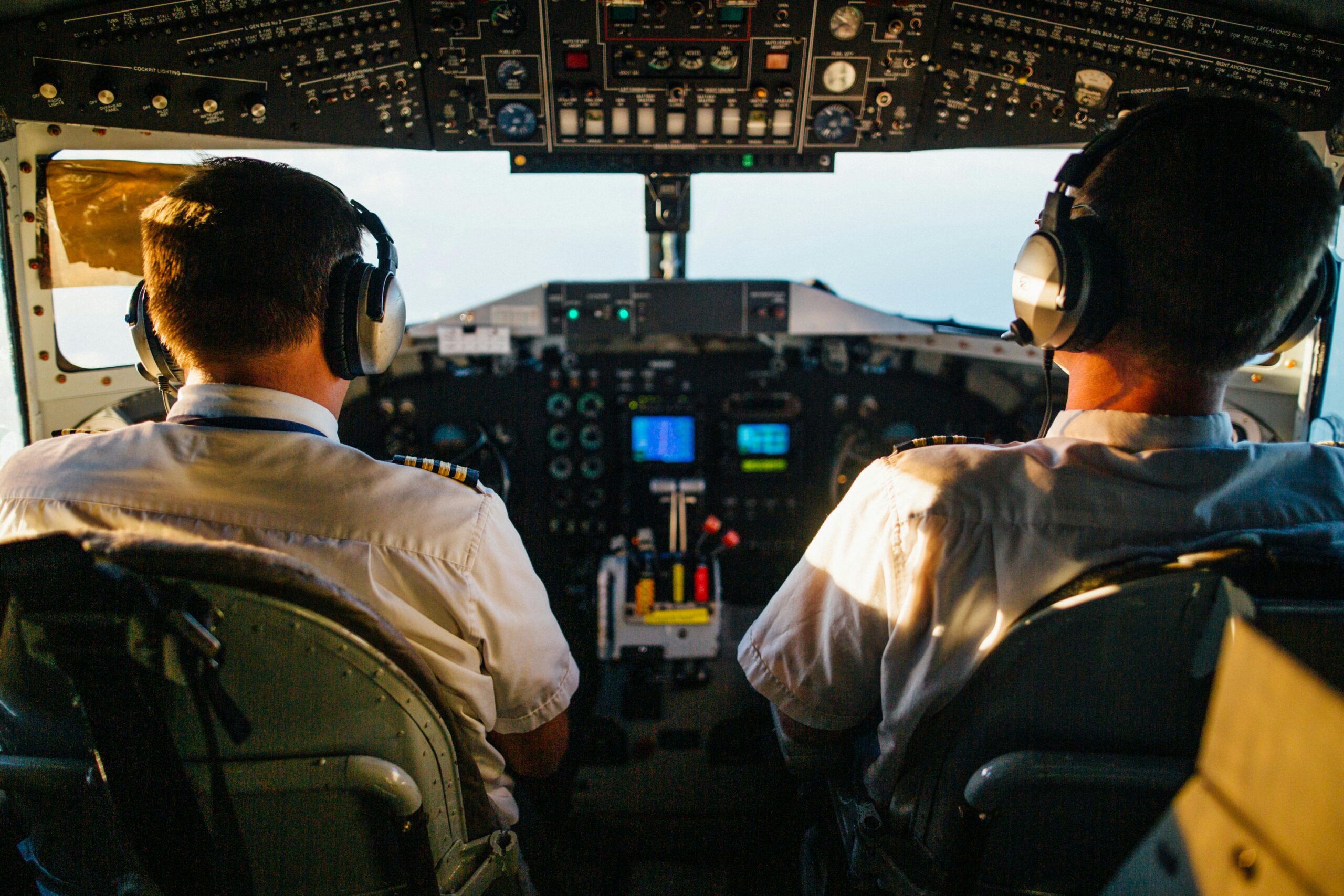
English in Aviation: The Most Common Patterns, Words and Importance of Learning English for Pilots and Cabin Attendants
-
September 20, 2022
The Importance of English and Safe Communication in Aviation
In the world of international aviation, safety, professionalism and accurate communication are paramount. Pilots, cabin crew and ground handling staff carry out most of their duties in English. Because there is no room for misunderstanding in the air or on the ground.
Knowing English in aviation is not just learning a language; it is, a life-saving professional skill and is a requirement for international careers. Every command and every communication during the flight must be understood correctly. In this article, we will discuss the importance of knowing English in aviation, the most common phrases for pilots and cabin crew, and how you can learn the language effectively.
The Critical Importance of Knowing English in Aviation
The International Civil Aviation Organization (ICAO) requires pilots and air traffic controllers to improve their English communication skills. Level 4 level of certification. This level forms the basis for safe and effective communication. Knowing English in accordance with ICAO standards has become a must for aviation professionals.
And in aviation, knowing English is not only a safety issue, is also critical for careers. Whether you want to work for an international airline, be promoted to captain pilot or study abroad, English is the key to your future.
In vital situations, communication in English saves lives. Failure to use English correctly and clearly during emergencies, technical failures or instructions can have serious consequences. Therefore, knowing English in aviation is not only a skill, but also an essential skill for a safe flight. is a vital necessity.
Basic Aviation English Patterns for Pilots
Clarity and accuracy are vital for pilots when communicating over the radio. Here are some of the basic phrases used in radio radio (R/T) communication:
“Cleared for takeoff, Runway 18.” - Cleared for takeoff, runway 18.
“Requesting descent to FL 180.” - I request a landing at flight level 180.
“Negative, unable to comply due to traffic.” - No, we cannot comply because of traffic.
“Mayday, Mayday, Mayday.” - Emergency notification.
Pilots also use standard phrases in their flight reports:
“Encountered moderate turbulence at FL 350.”- Moderate turbulence encountered at 35,000 ft.
“Landing gear deployed manually due to system failure.” - Landing gear deployed manually due to system malfunction.
Learning these phrases will not only give you language skills, but also help you become a professional pilot. your ability to effectively manage emergency and standard procedures increases.
English Phrases and Verbal Patterns for Cabin Crew
For cabin crew and stewardesses, English is vital for communicating with passengers, ensuring safety and taking quick action in emergencies.
Pre-Flight Communication
“Welcome on board! May I see your boarding pass?” - Welcome, may I see your boarding pass?
“Your seat is 14A, just on the left.” - Your seat is 14A, on the left.
In-Flight
“Please fasten your seatbelt.” - Please fasten your seat belt.
“We will be serving drinks shortly.” - We'll be serving drinks shortly.
“Is there a doctor on board?” - Is there a doctor on board?
Emergency Situations
“Remain calm and follow the instructions.” - Stay calm and follow the instructions.
“Brace for impact!” - Take the collision position!
For cabin crew, learning such patterns is important both to ensure the safety of passengers and improve professional poise and communication skills is important for.
Aviation English Basic Terms and Daily Usage
The following terms are frequently used by both pilots and cabin crew and are of great importance in the daily workflow:
| English | Turkish |
|---|---|
| runway | runway |
| altitude | Altitude |
| turbulence | turbulence |
| cabin crew | cabin crew |
| landing gear | landing gear |
| checklist | checklist |
| emergency exit | emergency exit |
| seatbelt sign | seat belt sign |
The use of these terms is critical for both safety and professional communication. At the same time also supports business English skills, because the aviation industry is a global business and English is the universal language of communication in this field.
Enhance Your Career with Aviation English Training
General English training is not enough for aviation professionals. Those who want to become pilots or cabin crew, field-focused Aviation English training must be taken.
Effective training methods:
Practicing dialogs based on simulations, learning radio and flight communication
Using ICAO Level 4 exam preparation resources
Practicing speaking in situations similar to real flight scenarios
Develop listening skills by listening to podcasts and videos related to aviation
Such practical and field-oriented trainings can help you on your career path. national and international successaccelerates.
Make a Professional Difference in Aviation with Target English Academy
As Target English Academy, we offer a specially designed program for pilots, cabin crew and professionals preparing for the ICAO exam. Aviation English programs We offer.
Students in our programs:
Works on real flight scenarios
Practice radio communication and emergency patterns
Develop oral and written English skills
Prepares in accordance with international aviation standards
Thanks to these trainings, students not only learn English, but also professional safety and professional communication skills and makes a difference in the international aviation industry.
Achieve Professional Success with Aviation English
Aviation is a global business that requires safety and professionalism. Knowledge of English is essential in this field. a life-saving skill and career key.
For pilots and cabin crew, Aviation English is not only a communication tool; it is also professional security, professionalism and international career opportunities is a critical tool that shapes it.
The training you will receive with Target English Academy will prepare you not only for English, will prepare you for a career as an influential and trusted professional in the global aviation industry.
Tags:
You May Also Like

-
Oct 10, 2026
The software sector has long since moved beyond being one of the fields where English is only used to understand technical documents. Today, programmers work with international teams and work with foreign...

-
July 10, 2026
The financial sector is one of the most dynamic and international fields of the global economy. Today, banking, investment, accounting, financial analysis, risk management, auditing, and...

-
June 5, 2026
Nowadays, engineering projects are no longer just endeavors carried out by local teams, but have transformed into processes requiring global collaboration. From different countries...

-
Apr 21, 2026
The aviation sector is one of the most intense areas of international communication. Pilots, cabin crews, air traffic controllers, and ground handling personnel, each...
Join our mailing list to receive information and opportunities about our courses.
Contact
Call us
+90 533 710 07 83
Address
Cankaya Mah. Zeytinli Bahçe Cad. Serin Apt. No:9 Interior door No:4 Akdeniz/MERSİN
info@targetenglishacademy.com.tr
 English
  Turkish